Helping Children with Anxiety: Techniques and Approaches


Understanding Childhood Anxiety
Anxiety in children is a common issue that affects their well-being and development. It can manifest in various forms, such as social anxiety, generalized anxiety, or specific phobias. Recognizing these signs early is crucial in providing the necessary support. Early intervention can make a significant difference in managing anxiety effectively.
Children may express anxiety through physical symptoms like headaches or stomachaches, or through changes in behavior like irritability and withdrawal. As parents and caregivers, understanding these signs is the first step in helping children cope with their anxiety.
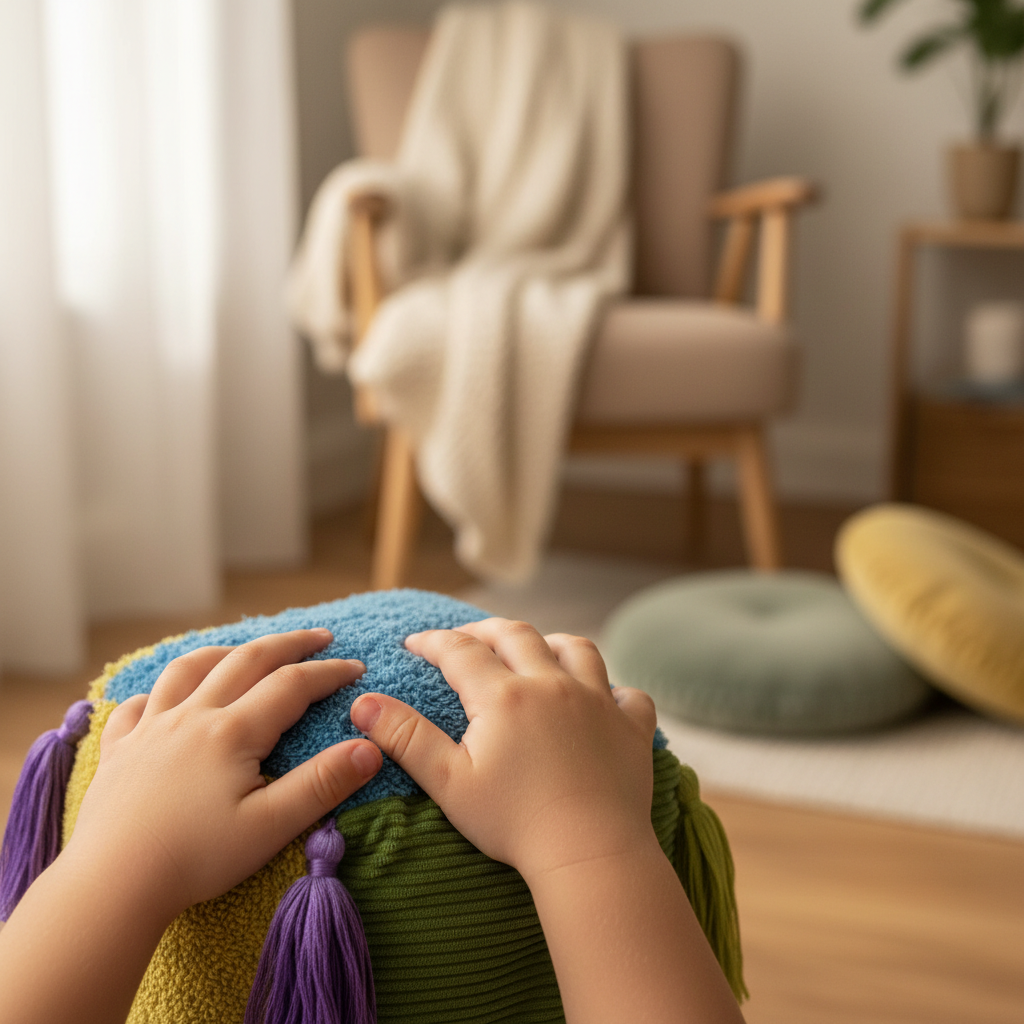
Encouraging Open Communication
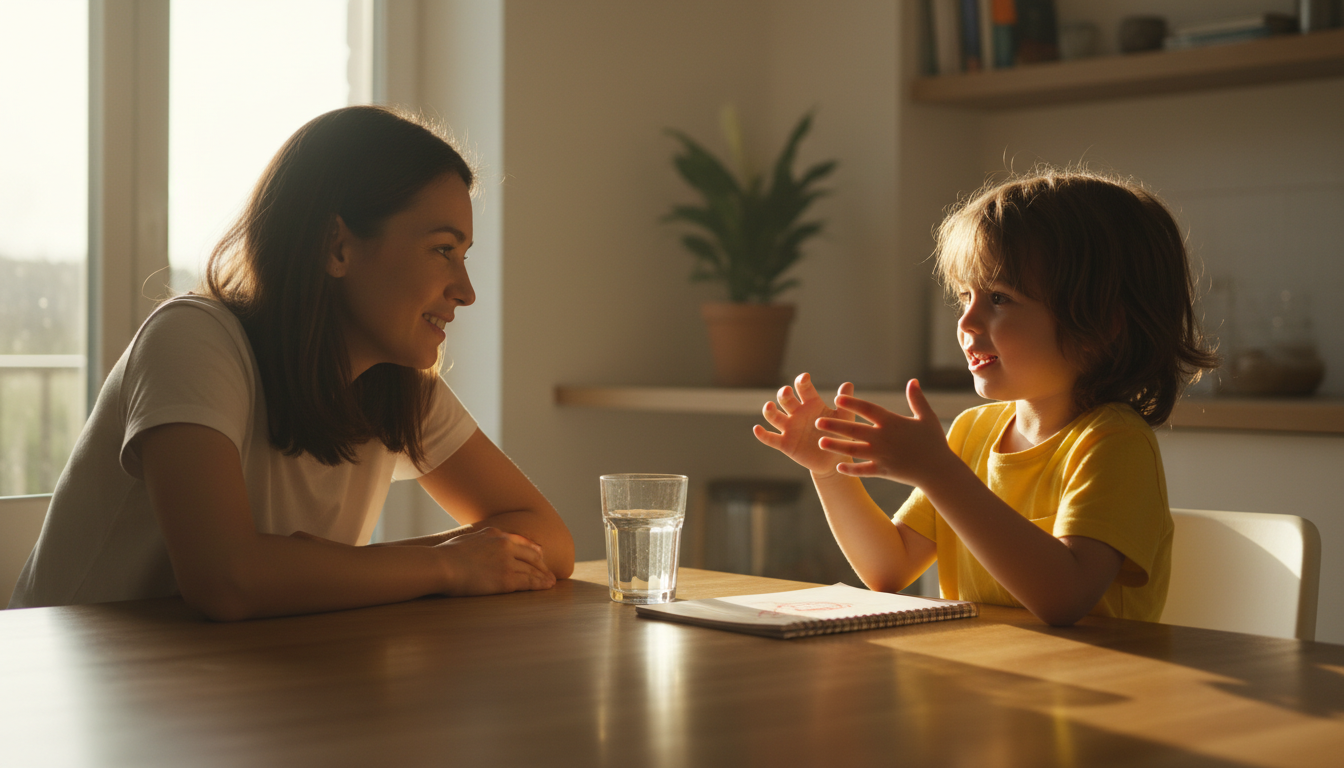
One of the most effective ways to help children with anxiety is to encourage open communication. Create a safe and supportive environment where they feel comfortable expressing their feelings. Ask open-ended questions and listen actively to what they have to say. This can help them feel understood and less isolated in their experiences.
It is important to validate their feelings and let them know that it's okay to feel anxious at times. Avoid dismissing their concerns and instead, work together to find solutions. This approach fosters trust and helps in building a strong emotional connection.
Practical Techniques for Managing Anxiety
There are several practical techniques that can aid children in managing anxiety. These techniques can be incorporated into their daily routine to help them feel more in control.
Relaxation Techniques
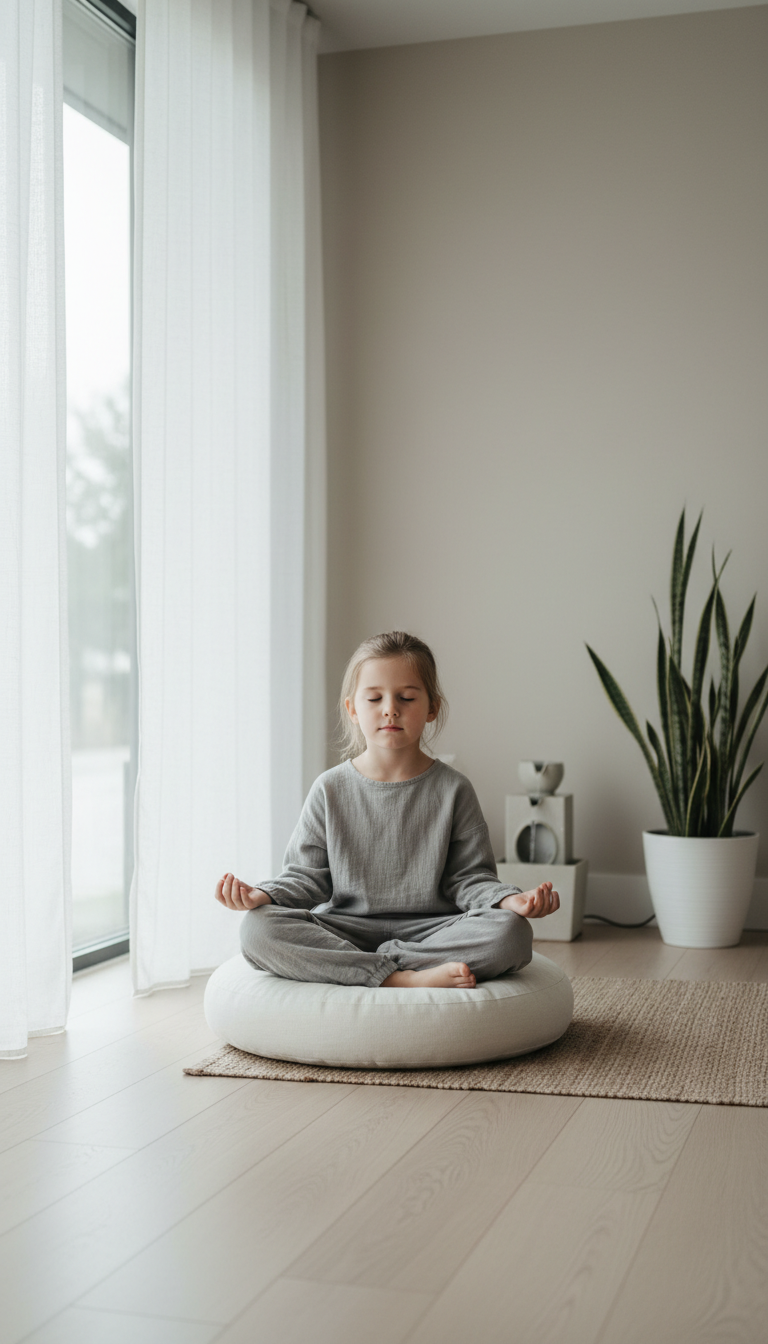
Teaching children relaxation techniques can be highly beneficial. Breathing exercises, meditation, and progressive muscle relaxation can help calm their mind and reduce anxiety levels. Encourage them to practice these techniques regularly to build resilience over time.
- Deep Breathing: Instruct them to breathe in slowly through the nose, hold for a few seconds, and exhale slowly through the mouth.
- Mindfulness Meditation: Encourage focusing on the present moment to reduce anxious thoughts.
- Progressive Muscle Relaxation: Guide them to tense and then relax different muscle groups to release physical tension.
Establishing a Routine
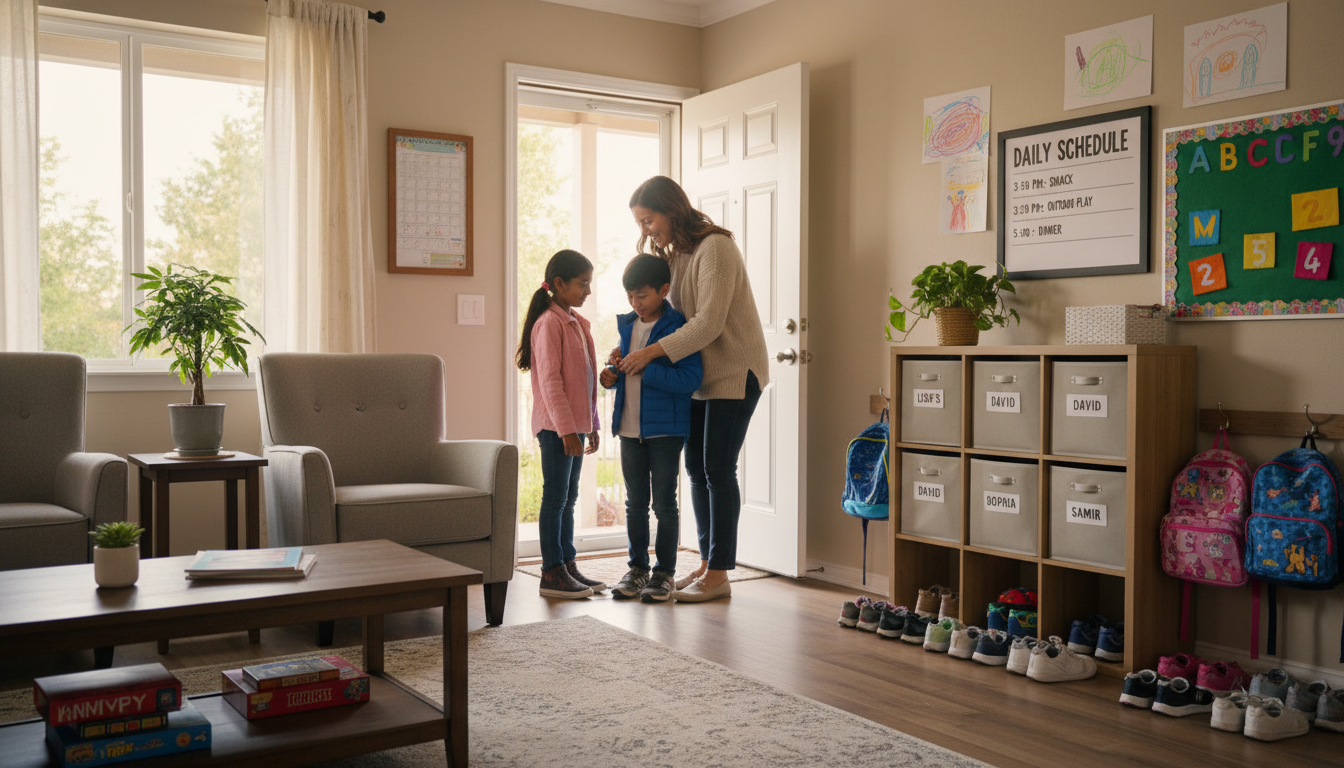
A consistent routine can provide children with a sense of stability and predictability, which is often comforting. Ensure they have a balanced schedule that includes time for schoolwork, play, and relaxation. A well-structured routine can help minimize anxiety triggers and promote a sense of security.
Working together with your child to set a daily routine can also empower them and help them feel more in control of their environment, reducing anxiety levels significantly.
Seeking Professional Help
If anxiety becomes overwhelming and starts to interfere with a child's daily life, it might be time to seek professional help. Therapists and counselors can provide specialized support and strategies tailored to the child's needs. Cognitive Behavioral Therapy (CBT) is a commonly recommended approach that has proven effective for children.
Remember, seeking professional help is a positive step towards managing anxiety and is not a sign of failure. It demonstrates a commitment to the child's mental health and overall well-being.